Six operations,before and after.
Each entry is one workflow we have rebuilt more than once: the steps it had, the steps it has now, and what that changed for the people running it.
Composite engagements: recurring patterns from our work, identifying detail removed. Named work is discussed under NDA.
- Composite engagements
- 06
- Industries
- 06
- Systems connected
- 23
- Steps, before and after
- 62 down to 18
The index
Showing 06 of 06
01Sector & scale
- Sector
- Manufacturing
- Scale
- Metal parts manufacturer · two press lines · 150–250 people
- Team
- Dedicated team of 4
- Connected
- Line controllers · ERP · Planning board
- Engagement
- Build · About a quarter to the first line live
02The problem
Production was counted on clipboards and totalled after the shift. Downtime was written on a whiteboard and discovered at the morning meeting, a day late. Sales promised delivery dates from stock figures that were already wrong.
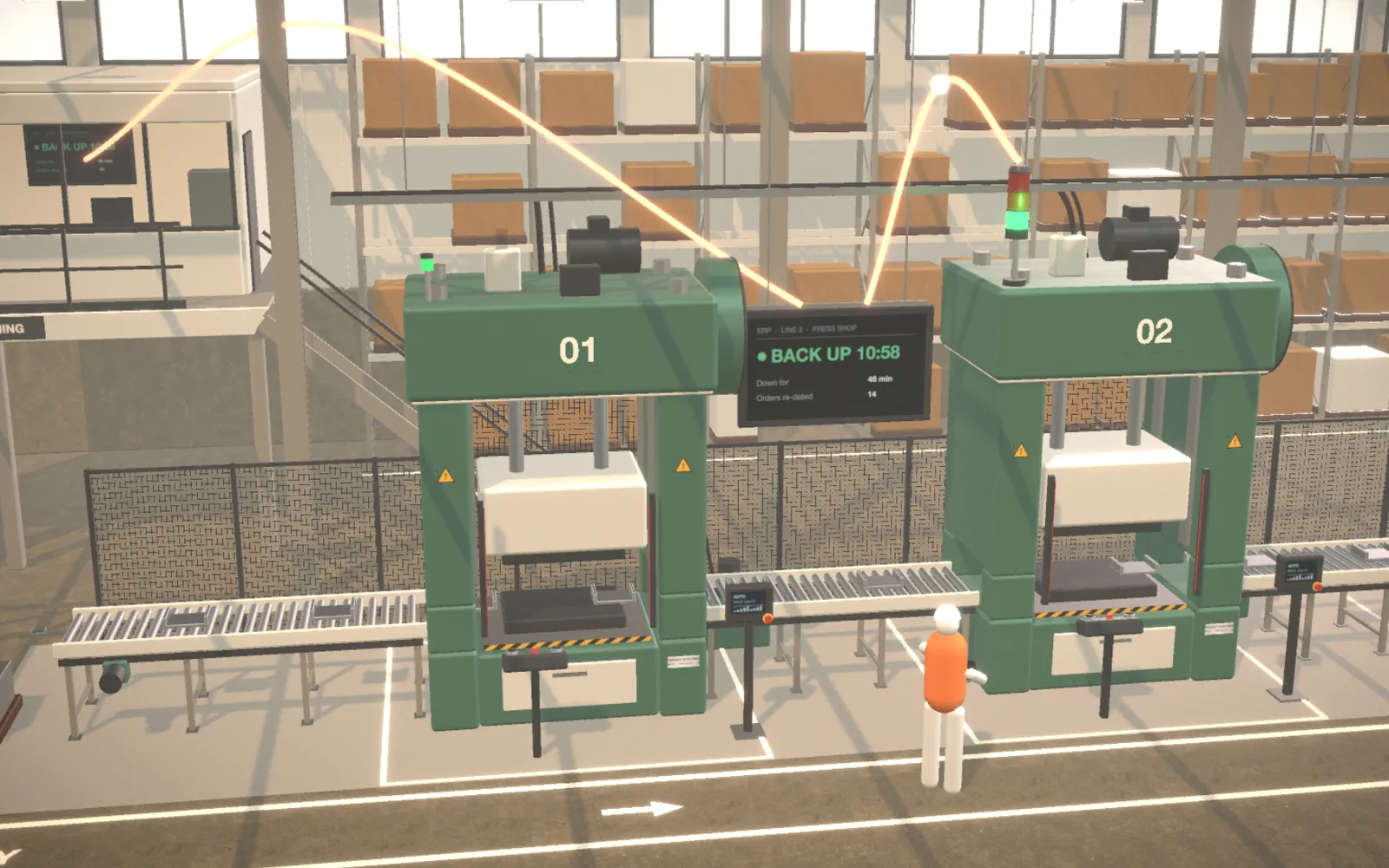
Still from the manufacturing film on our home pageLine ↔ ERP 03What changed
The old workflow had 11 steps. 8 were removed entirely; the remaining 3 became the 3 steps of the new one. Before11 steps
- 01Operator tallies finished parts on a clipboard (removed)
- 02Shift lead adds up the clipboards (removed)
- 03Totals typed into the shift spreadsheet (removed)
- 04Spreadsheet emailed to planning (removed)
- 05Planner re-keys the counts into the ERP (becomes step A)
- 06Stoppage noted on the whiteboard (removed)
- 07Downtime raised at the next morning's meeting (becomes step B)
- 08Planner re-dates the affected orders by hand (removed)
- 09Sales phones the floor to check stock (removed)
- 10Stock figure copied into the quote (removed)
- 11Delivery date promised from yesterday's numbers (becomes step C)
After03 steps
- ACounts and stops reach the ERP from the line as they happen
- BA stop alerts the planner, with the affected orders listed
- CSales promises dates from live stock
04Result
Within the first quarter of the line going live, stoppages were being handled in the hour they happened instead of the morning after, and the shift spreadsheet was retired. Sales stopped phoning the floor for stock, because the number in the ERP was the number on the floor.
Tracked from day one
- Hours between a part being made and the ERP knowing about it
- Orders promised on stock that did not exist
Composite engagement. Identifying detail removed; the pattern is real.
01Sector & scale
- Sector
- Logistics & supply chain
- Scale
- Regional distributor · three depots · more than one carrier · 120–300 people
- Team
- Dedicated team of 3
- Connected
- Dock scanners · WMS · Carrier feeds · Customer tracking
- Engagement
- Ongoing · Ongoing, released depot by depot
02The problem
Dispatch ran on phone calls and a group chat, drivers carried paper manifests, and scans synced at the end of the day. When a customer asked for an ETA, someone opened three screens and called the driver.
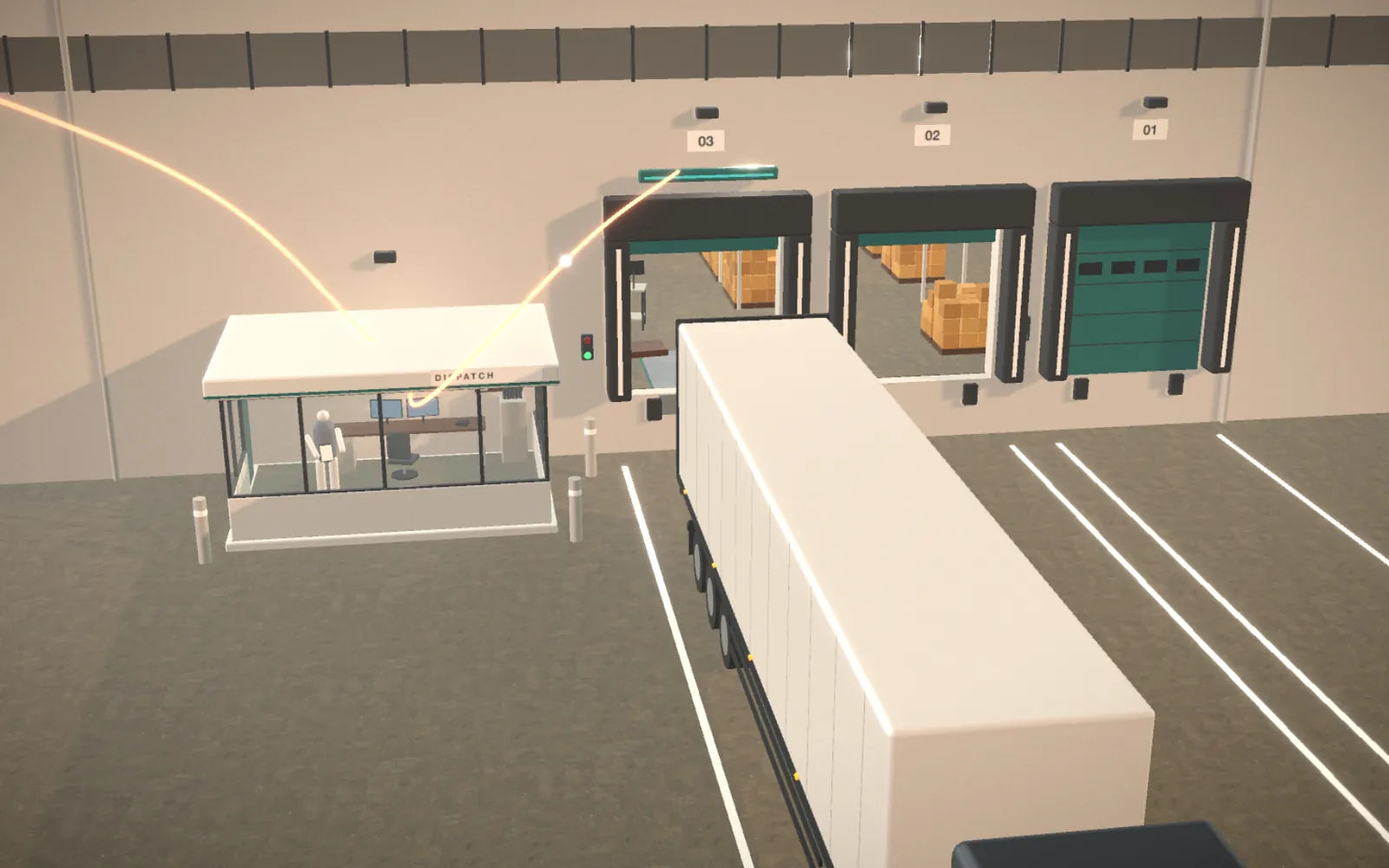
Still from the logistics film on our home pageWMS ↔ Carriers 03What changed
The old workflow had 10 steps. 7 were removed entirely; the remaining 3 became the 3 steps of the new one. Before10 steps
- 01Driver collects a printed manifest (removed)
- 02Dock scan synced to the office at end of day (removed)
- 03Carrier status checked on the carrier's portal (removed)
- 04Status copied into the WMS by hand (becomes step A)
- 05Customer phones to ask where the order is (removed)
- 06Order desk opens three screens to find out (removed)
- 07Desk calls the driver (removed)
- 08Answer relayed to the customer by phone (becomes step B)
- 09Missed scan noticed when the customer complains (removed)
- 10Exception escalated in the group chat (becomes step C)
After03 steps
- AScan, warehouse and carrier events merge into one timeline
- BCustomers see that timeline, live
- CA late scan raises an exception to a named person
04Result
Within the first month of the first depot going live, the order desk stopped fielding most “where is it?” calls, because customers could read the answer themselves. Since then the same team has carried it depot by depot, one release at a time.
Tracked from day one
- “Where is my order” calls per hundred shipments
- Minutes from a missed scan to someone knowing
Composite engagement. Identifying detail removed; the pattern is real.
01Sector & scale
- Sector
- Retail & e-commerce
- Scale
- Brand with a web shop, two marketplaces and a handful of stores · 60–150 people
- Team
- Dedicated team of 3
- Connected
- Web shop · Marketplaces · Tills · Warehouse system
- Engagement
- First step · 10 working days
02The problem
Orders from four channels were copied into the warehouse system every morning, and stock was counted at close and uploaded channel by channel. The same last unit sold twice in an hour, and someone wrote the apology.
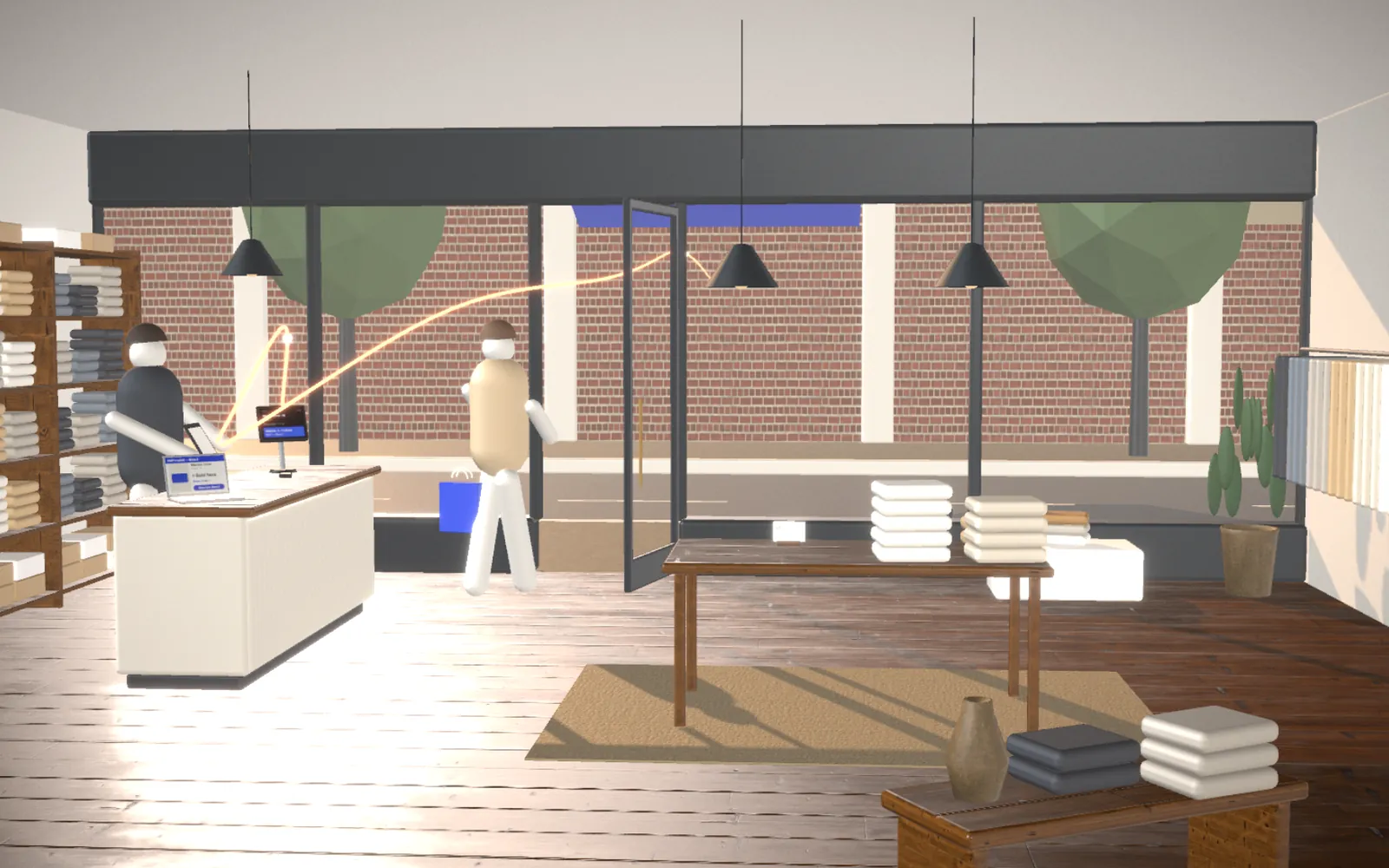
Still from the retail film on our home pageShop ↔ WMS 03What changed
The old workflow had 9 steps. 6 were removed entirely; the remaining 3 became the 3 steps of the new one. Before09 steps
- 01Web shop orders exported each morning (removed)
- 02Marketplace orders downloaded one channel at a time (removed)
- 03Everything pasted into one spreadsheet (becomes step A)
- 04Spreadsheet re-typed into the warehouse system (removed)
- 05Stock counted on the shelf at close (removed)
- 06Counts uploaded to each channel by hand (becomes step B)
- 07Oversold order spotted by the picker (removed)
- 08Customer emailed an apology (removed)
- 09Return refunded, shelf count left unchanged (becomes step C)
Designed03 steps
- AEvery channel's orders land in one queue, in the order they arrived
- BStock updates everywhere when a unit sells, ships or comes back
- CA return puts stock back as the refund goes out
04Result
By day ten, the order desk was watching real orders land in one queue on a working screen, and the business case set the cost of overselling in the finance team's own numbers. What happened next was their decision, which is the point of a first step.
Tracked from day one
- Units sold that were not on the shelf
- Hours from an order landing to the warehouse seeing it
Composite engagement. Identifying detail removed; the pattern is real.
01Sector & scale
- Sector
- Healthcare
- Scale
- Specialist clinic group · four sites · 60–120 staff
- Team
- Dedicated team of 4
- Connected
- Booking diary · Patient record · Text reminders · Referral tracking
- Engagement
- Build · About a quarter, one clinic first
02The problem
The front desk spent its first hour confirming the day by phone. Intake was filled in on paper in the waiting room and typed in after the visit, and referrals had no owner until the patient called to ask.
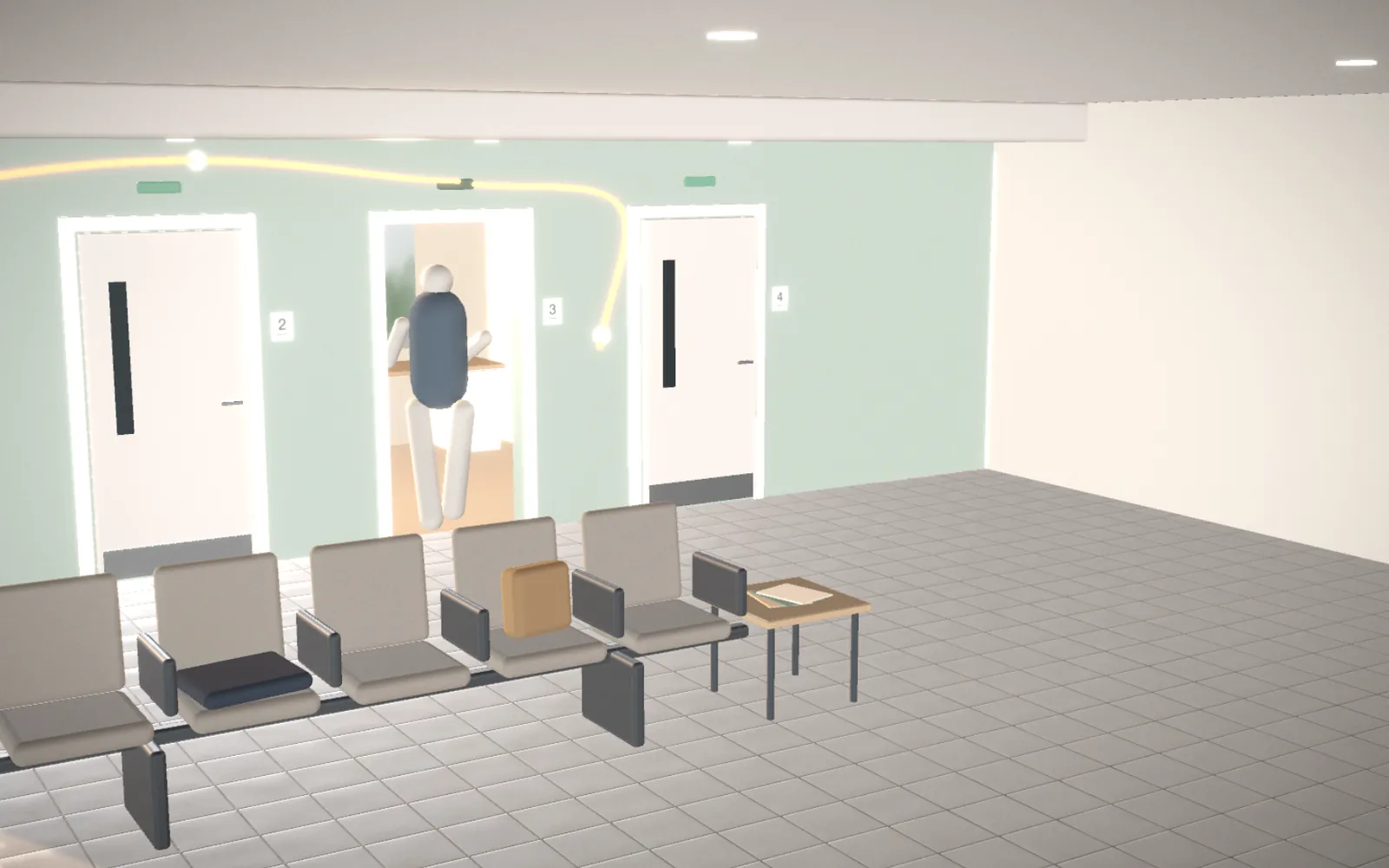
Still from the healthcare film on our home pageBooking ↔ Records 03What changed
The old workflow had 11 steps. 8 were removed entirely; the remaining 3 became the 3 steps of the new one. Before11 steps
- 01Front desk phones tomorrow's patients (removed)
- 02Voicemails left, call-backs noted on paper (removed)
- 03Text replies checked between calls (removed)
- 04Confirmations ticked off in the diary (becomes step A)
- 05Gaps refilled from a paper waiting list (removed)
- 06Intake form handed out on arrival (removed)
- 07Patient fills it in the waiting room (removed)
- 08Form typed into the record after the visit (becomes step B)
- 09Referral letter sent by email (removed)
- 10Follow-up kept in someone's notebook (removed)
- 11Patient calls to ask what happened (becomes step C)
After03 steps
- AConfirmations and reminders go out and update the diary on their own
- BIntake reaches the record before the patient sits down
- CEvery referral has an owner and a date, and the system chases it
04Result
By the end of the first quarter, the day's list was right before the doors opened at the first clinic, and the front desk's first hour went back to the patients in the room. The other sites followed on the same build.
Tracked from day one
- Appointments that went ahead as booked
- Minutes of front-desk time per booking
Composite engagement. Identifying detail removed; the pattern is real.
01Sector & scale
- Sector
- Real estate
- Scale
- Developer with an in-house sales team · two schemes selling · 30–60 agents
- Team
- Dedicated team of 4
- Connected
- Listing portals · CRM · E-signature · Buyer portal
- Engagement
- Ongoing · Ongoing, a release every few weeks
02The problem
Leads from six portals landed in one shared inbox and waited for someone to forward them. Agents tracked buyers in their own spreadsheets, and offers and contracts drifted through email for weeks.
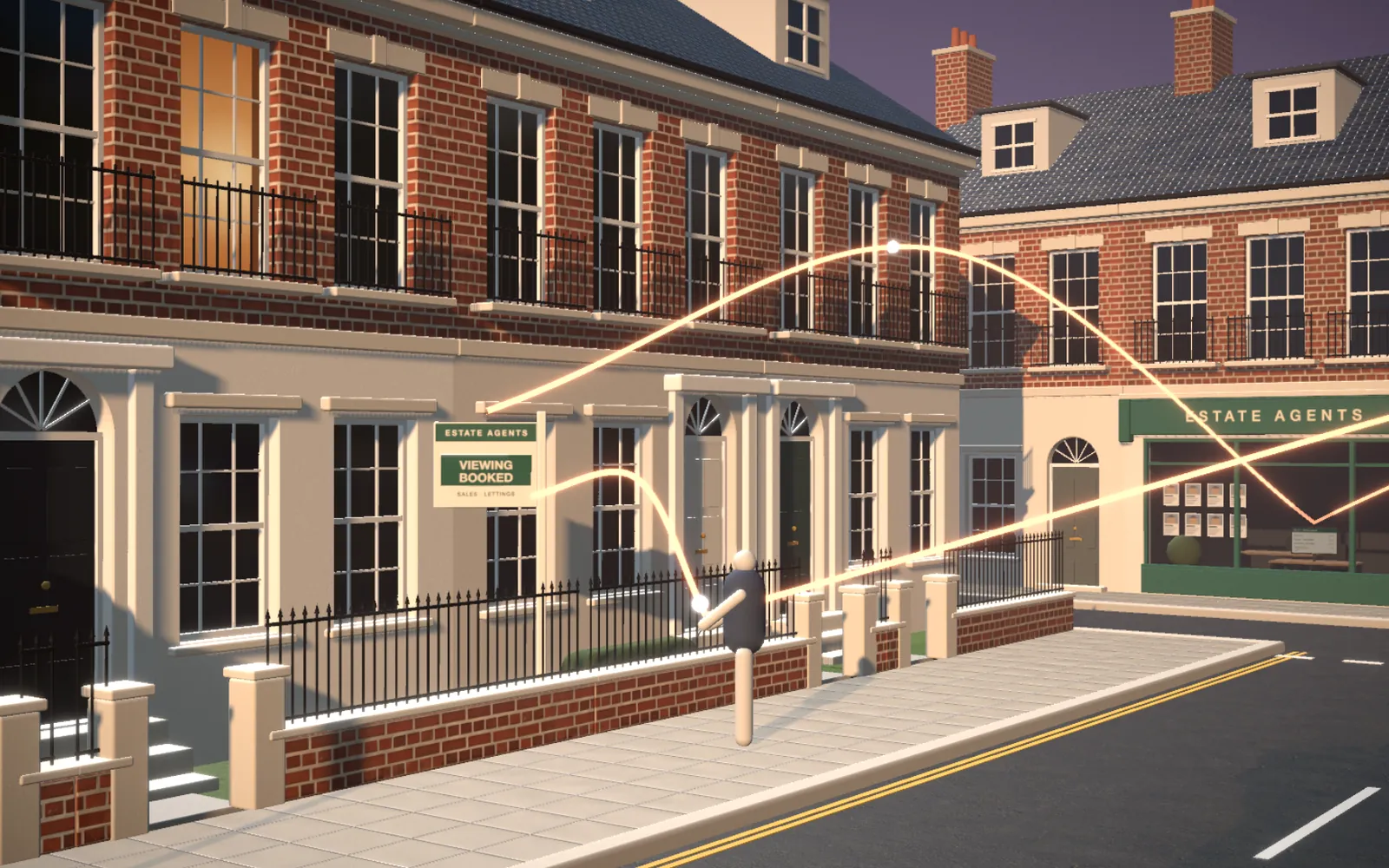
Still from the real estate film on our home pagePortals ↔ CRM 03What changed
The old workflow had 10 steps. 7 were removed entirely; the remaining 3 became the 3 steps of the new one. Before10 steps
- 01Portal enquiry lands in a shared inbox (removed)
- 02Someone forwards it to an agent (removed)
- 03Agent copies the lead into a spreadsheet (removed)
- 04Spreadsheet merged once a week (becomes step A)
- 05Two agents call the same buyer (removed)
- 06Offer drafted from an old template (removed)
- 07Contract emailed back and forth (removed)
- 08Signed copy saved to a personal drive (becomes step B)
- 09Buyer phones for an update (removed)
- 10Agent checks three tools to answer (becomes step C)
After03 steps
- AEvery enquiry lands in one pipeline, routed with a reply clock
- BOffer, contract and signature live on one record
- CBuyers see their own status in a portal
04Result
In the first weeks, enquiries were answered the day they landed, Friday's included. The buyer portal followed in a later release, and the calls asking for an update thinned out with it.
Tracked from day one
- Minutes from enquiry to first reply
- Leads with no owner at the end of the day
Composite engagement. Identifying detail removed; the pattern is real.
01Sector & scale
- Sector
- Professional & financial services
- Scale
- Accountancy and advisory firm · two offices · 80–200 people
- Team
- Dedicated team of 3
- Connected
- Shared inbox · Identity checks · Document store · Practice system
- Engagement
- First step · 10 working days
02The problem
Onboarding a client took a week of chasing. Documents arrived by email to whichever partner the client knew, identity checks waited for someone free, and approvals happened in a Friday pile of emails.
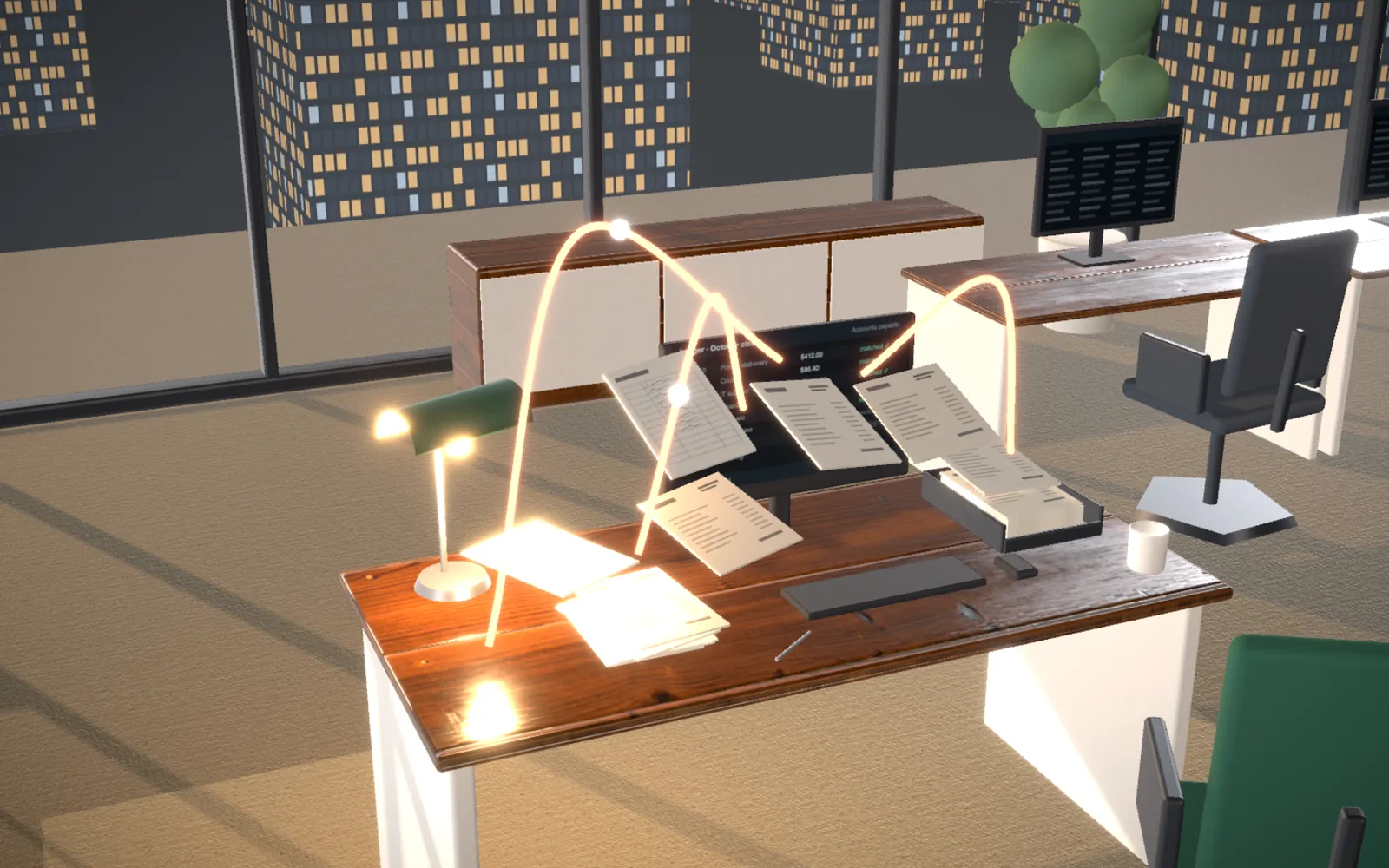
Still from the services film on our home pageInbox ↔ Practice system 03What changed
The old workflow had 11 steps. 8 were removed entirely; the remaining 3 became the 3 steps of the new one. Before11 steps
- 01Client emails documents to a partner (removed)
- 02Partner forwards them to an assistant (removed)
- 03Assistant saves them to a shared folder (removed)
- 04Identity checked by eye, when someone is free (becomes step A)
- 05Missing items chased by email (removed)
- 06Chases noted in a spreadsheet (removed)
- 07Engagement letter drafted from last year's copy (removed)
- 08Partner approves the file by email (becomes step B)
- 09Signed letter saved in two folders (removed)
- 10Client set up in the practice system by hand (becomes step C)
- 11Welcome email written from scratch (removed)
Designed03 steps
- ADocuments are filed and checked as they arrive
- BThe partner approves in one place, with a logged trail
- CThe client record is created from the approved file
04Result
By day ten, a working intake screen was running on the firm's own sample files, and the business case set a week of onboarding against the partner hours it was using up. Whether to build the rest was the firm's call to make.
Tracked from day one
- Working days from first contact to client ready
- Approvals waiting on a person for more than a day
Composite engagement. Identifying detail removed; the pattern is real.
End of index
Every one of these started the same way: one process, ten working days, a working screen at the end. Yours can start just below.